
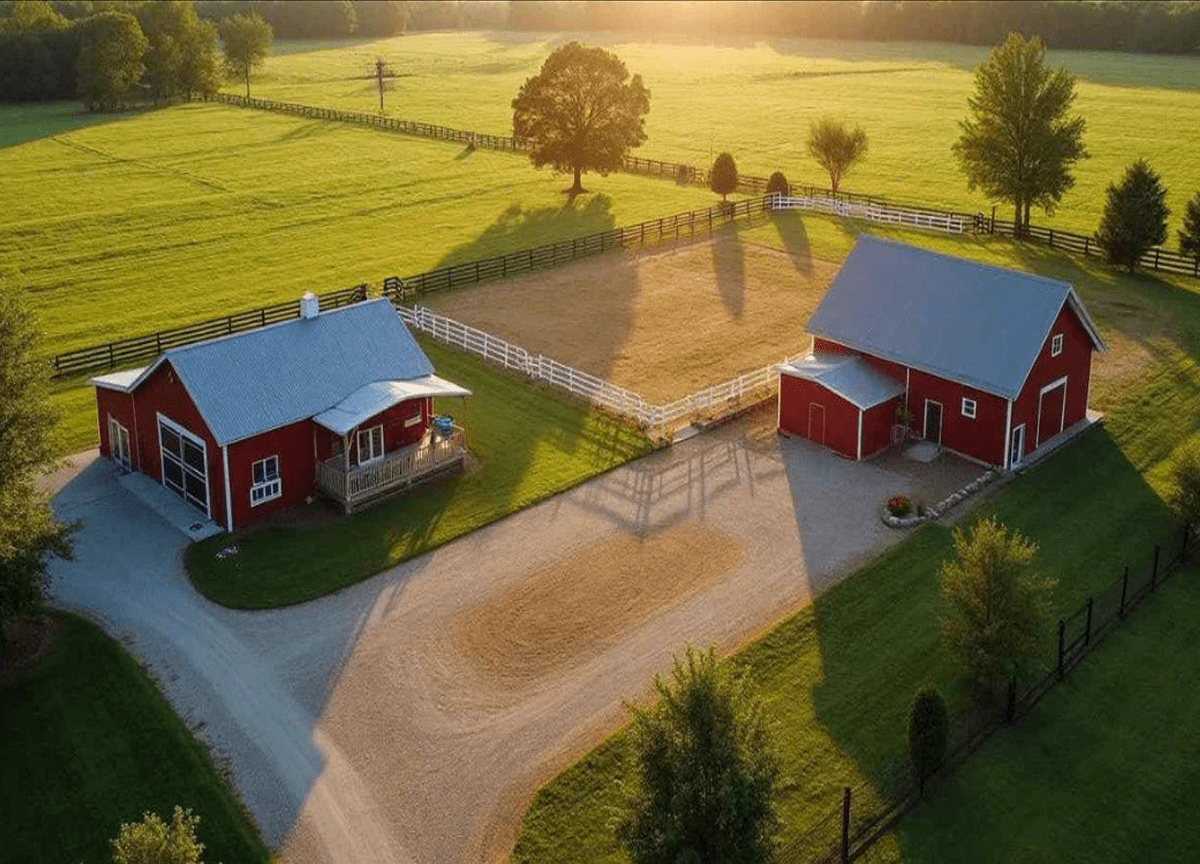
When property owners begin exploring security solutions for remote cabins, ranches, recreational land, or off-grid retreats, it is easy to become distracted by complicated features and advanced technology.
But in remote environments, simpler systems are often the most effective.
That may sound surprising in an age of increasingly complex smart-home technology, but remote properties create conditions very different from suburban neighborhoods.
Large acreage, difficult terrain, harsh weather, limited internet connectivity, and long periods without onsite supervision all place greater demands on monitoring systems.
In these environments, reliability matters more than complexity.
Remote Properties Create Different Challenges
Many remote properties sit unattended for extended periods. Owners may only visit on weekends, seasonally, or several times a year.
If a system fails, disconnects, or freezes, the problem may go unnoticed for days or even weeks.
That creates obvious vulnerability.
Traditional residential security systems are often designed for homes with stable WiFi, nearby technical support, and relatively compact layouts.
Remote properties, however, may include:
- long driveways
- gates
- detached structures
- recreational vehicles
- equipment yards
- wooded terrain
- hills and valleys
- buildings spread across significant distances
Maintaining dependable communication across these environments can be far more difficult than inside a suburban home.
Complex Systems Often Create More Maintenance
Overly complicated systems may also increase maintenance demands.
Frequent software updates, networking adjustments, battery replacements, or communication failures can quickly become frustrating when the property is located hours away.
Remote landowners usually want systems that simply work.
Outdoor durability is equally important.
Remote monitoring equipment often operates in:
- extreme temperatures
- storms
- dust
- moisture
- rugged environmental conditions
Systems designed primarily for indoor residential use may struggle over time in harsh outdoor environments.
This is why weather resistance and long-term dependability matter so much.
Simple Awareness Is Often More Valuable
Simplicity also improves usability.
Property owners should be able to quickly understand alerts, identify activity, and monitor important areas without navigating complicated interfaces or constantly adjusting settings.
In many cases, simpler awareness systems provide more practical value than highly advanced systems overloaded with unnecessary features.
Access-point monitoring is a good example.
Gates, driveways, trails, and bridges often provide the earliest indication that someone has entered the property.
Reliable awareness at these locations can provide more effective protection than complex indoor systems focused solely on the cabin.
The same principle applies to detached structures and equipment areas.
Cabins, sheds, workshops, trailers, generators, and fuel storage locations often contain valuable assets that may sit unattended for long periods.
Simple, dependable monitoring in these areas can significantly improve awareness and reduce delayed discovery.
Long-Range Reliability Matters More Than Smart Features
Remote properties also frequently experience communication challenges because WiFi coverage may not extend reliably across large acreage or difficult terrain.
Long-range outdoor communication becomes far more important than sophisticated indoor automation features.
Ultimately, remote property owners are not usually looking for technology that requires constant attention.
They want dependable awareness that works consistently when they are away from the property.
That is why simplicity matters.
In remote environments, reliable systems that are easy to maintain, weather-resistant, and built for outdoor conditions almost always outperform overly complicated solutions that struggle under real-world conditions.
And for property owners far from their land, dependable awareness provides what complicated technology often cannot: confidence and peace of mind.