
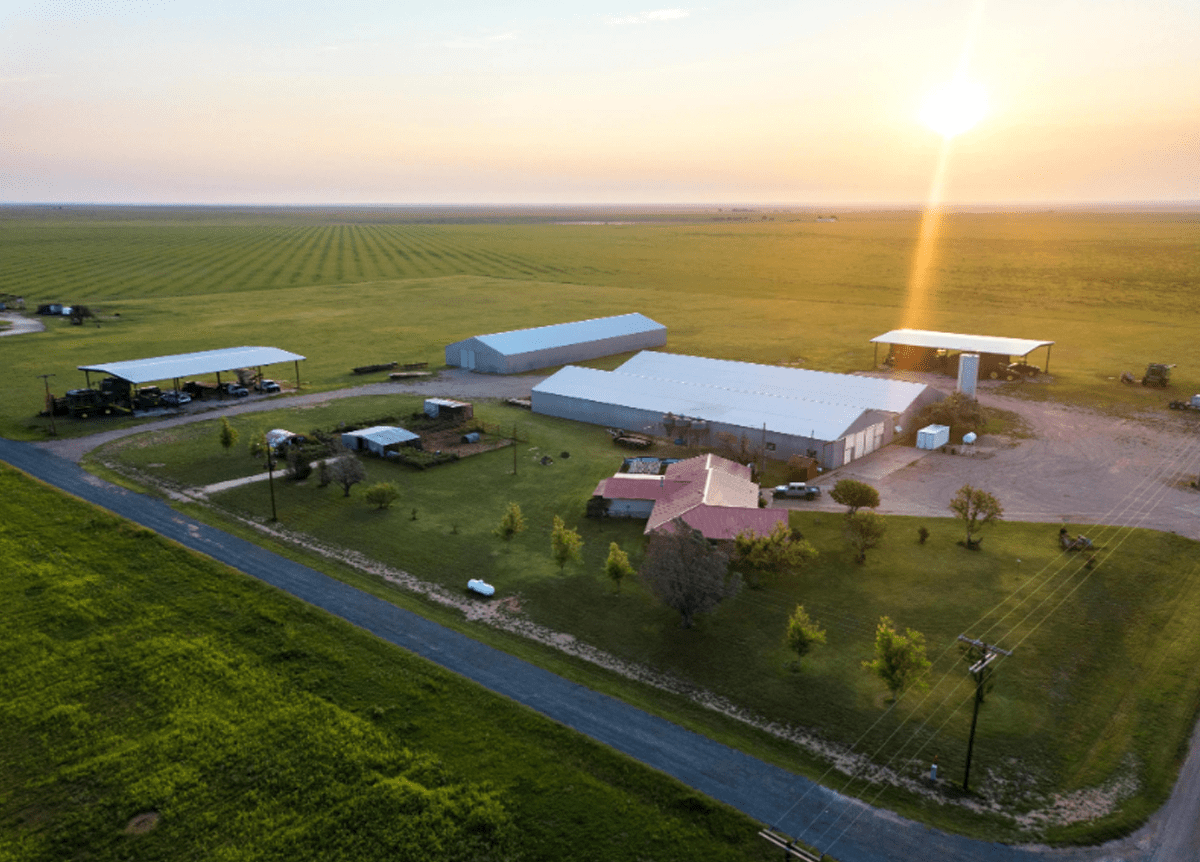
For owners of remote cabins, recreational land, hunting properties, and off-grid retreats, one of the greatest security challenges is not necessarily theft or vandalism — it’s discovering the problem too late.
Many remote properties sit unattended for days, weeks, or even months. During that period, small issues can quietly become major and expensive problems.
A gate may be left standing open. Trespassers may repeatedly enter the property. Storm damage may worsen over time. Equipment, fuel, or tools may disappear long before anyone notices they are missing.
By the time the owner returns, the damage is already done.
Remote Properties Often Lack Visibility
Unlike homes in suburban neighborhoods, remote properties usually lack visibility from nearby properties. There may be no neighbors watching the land, no passing traffic, and no regular activity to discourage unwanted visitors.
Long driveways, wooded terrain, and isolated structures naturally create blind spots where problems can go unnoticed for extended periods.
That delay changes everything.
For example, a minor roof leak discovered immediately may require only a simple repair. Left unnoticed for several weeks, however, the same leak can result in water damage, mold, ruined interiors, and thousands of dollars in additional costs.
The same principle applies to security issues.
A single unauthorized visit may become repeated access if individuals realize the property is rarely monitored. Open gates may provide unimpeded access. Fuel theft may continue over multiple visits. Equipment stored outdoors or inside detached structures becomes especially vulnerable when owners have no way of knowing activity is occurring.
Why Awareness Matters
Many property owners focus primarily on protecting buildings, but the real advantage comes from knowing when activity begins.
Earlier awareness allows owners to respond sooner, contact neighbors, notify authorities, or simply investigate problems before they grow larger.
Access points are often the best places to start.
Most remote properties have only a handful of practical entry points, such as:
- gates
- driveways
- trails
- bridges
- access roads
Monitoring these areas can provide valuable insight into movement across the entire property.
In many cases, the moment someone enters the land is the earliest warning sign.
Detached Structures Are Especially Vulnerable
Detached structures also deserve attention. Sheds, workshops, RV storage areas, and equipment buildings frequently contain generators, trailers, tools, ATVs, hunting gear, and fuel supplies.
Because these buildings are often isolated from the main cabin, activity around them can easily go unnoticed during long absences.
Environmental visibility also plays an important role. Overgrown vegetation, hidden approach routes, and poorly lit access areas make it easier for unauthorized activity to occur without detection.
Improving visibility near gates and structures can help reduce vulnerability.
Earlier Awareness Reduces Larger Problems
One of the biggest advantages of modern remote monitoring systems is the reduction of delayed discovery.
Receiving alerts when movement occurs near key areas allows owners to become aware of potential problems much sooner — no matter where they are.
Earlier awareness improves both response time and peace of mind.
Ultimately, protecting remote property is not simply about reacting to problems after they happen. It’s about shortening the time between when activity begins and when the owner becomes aware of it.
In remote environments, that time difference can be critical.