
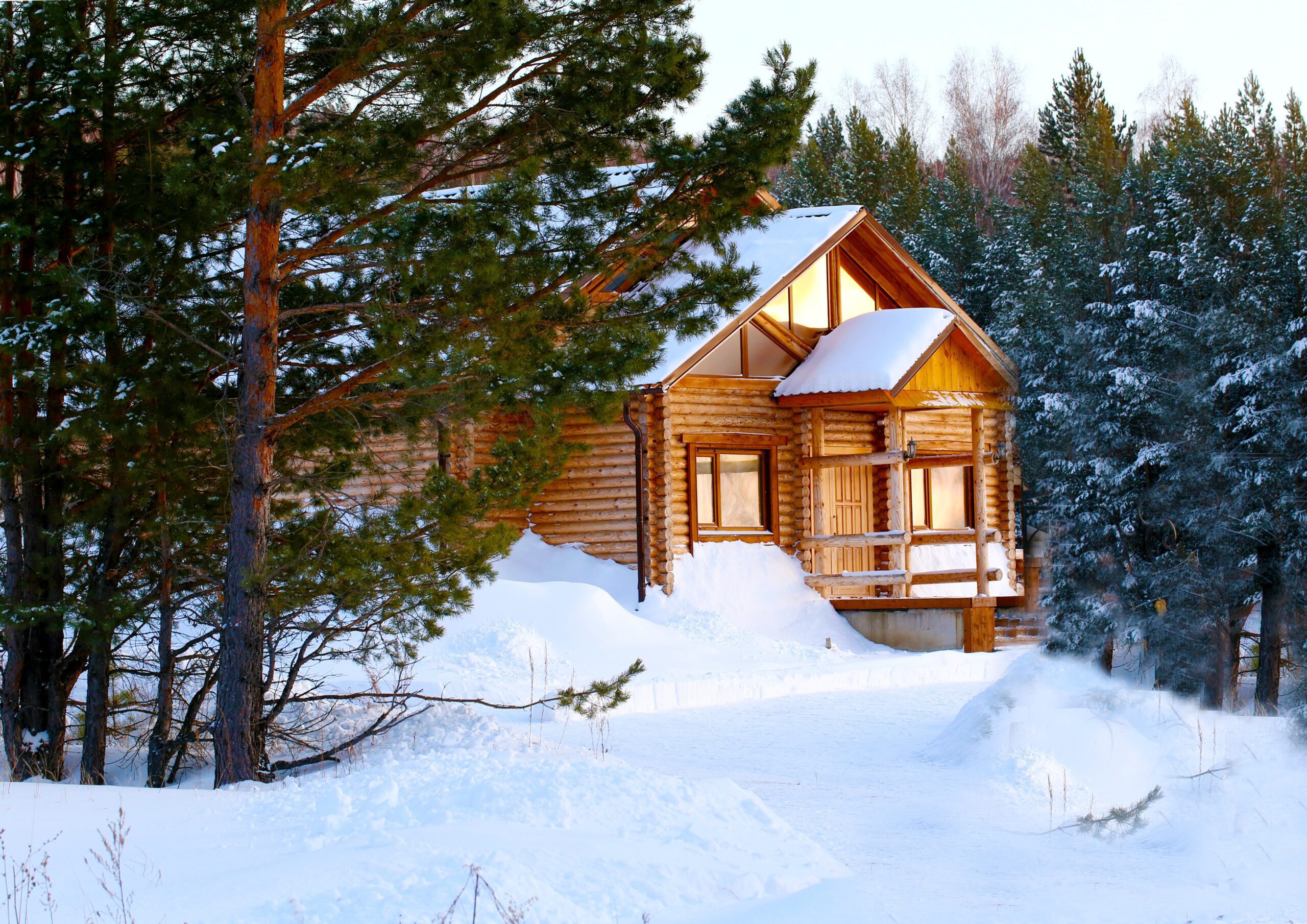
Protecting a remote cabin or off-grid retreat does not always require complicated technology or expensive infrastructure.
In many cases, simple improvements in awareness and visibility can significantly reduce vulnerability.
That matters because remote properties face challenges very different from suburban homes.
Cabins, hunting properties, and recreational land often sit isolated for long periods. Owners may only visit occasionally, leaving the property unattended for days, weeks, or even months at a time.
During those absences, problems can develop quietly and go unnoticed until the next visit.
For many remote landowners, delayed discovery is a major risk.
A gate may remain open. Storm damage may worsen over time. Trespassers may repeatedly access the property. Equipment or fuel may disappear long before anyone realizes something is wrong.
Awareness Begins at Access Points
Because of this, improving awareness is one of the most effective security strategies available.
One of the best places to begin is with access points.
Most remote properties have only a few practical entry points, such as:
- gates
- driveways
- trails
- bridges
- access roads
These areas naturally funnel movement onto the property and provide the earliest indication of activity.
Knowing when someone enters the land can provide valuable time to respond before larger problems develop.
Visibility Reduces Vulnerability
Visibility also matters more than many owners realize.
Overgrown vegetation near gates, hidden parking areas, and dark approach routes all create opportunities for unwanted activity.
Simply improving sight lines around entrances and structures can help discourage trespassing while making the property easier to monitor overall.
Lighting can also improve awareness significantly.
Even basic lighting near gates, cabins, sheds, or equipment areas may discourage unauthorized activity while helping owners identify movement after dark.
Remote properties do not necessarily require extensive lighting systems, but targeted improvements to visibility can make a meaningful difference.
Detached Structures Often Need Equal Attention
Detached structures deserve attention as well.
Workshops, storage sheds, trailers, RV areas, and equipment buildings often contain valuable:
- tools
- generators
- ATVs
- fuel
- recreational gear
Because these structures may sit away from the main cabin, activity around them can easily go unnoticed.
Remote Properties Require Reliable Outdoor Monitoring
Environmental conditions create additional challenges on remote land.
Hills, trees, valleys, exposure to weather, and large acreage can interfere with traditional residential security systems, especially those that rely heavily on WiFi connectivity.
This is why simplicity is often the best approach.
Remote properties are rarely ideal places for overly complicated systems that require constant troubleshooting or frequent maintenance visits.
Durable, weather-resistant solutions designed for outdoor environments generally perform better over time while reducing frustration for property owners.
Real-time awareness can also dramatically reduce delayed discovery.
Receiving alerts when movement occurs near gates or structures allows owners to become aware of problems much sooner, even when they are miles away.
Earlier awareness often prevents larger losses later.
Awareness Across the Entire Property Matters Most
Perhaps most importantly, remote property owners should think beyond protecting only the cabin itself.
Awareness across the entire property — including entrances, access roads, equipment areas, and detached structures — provides a far more complete understanding of what is happening on the land.
Ultimately, protecting a remote cabin or off-grid retreat is less about building a fortress and more about maintaining awareness despite naturally limited visibility and slower response times.
For many property owners, awareness provides the greatest security of all: peace of mind.