
Why Long-Range Monitoring Matters on Remote Properties
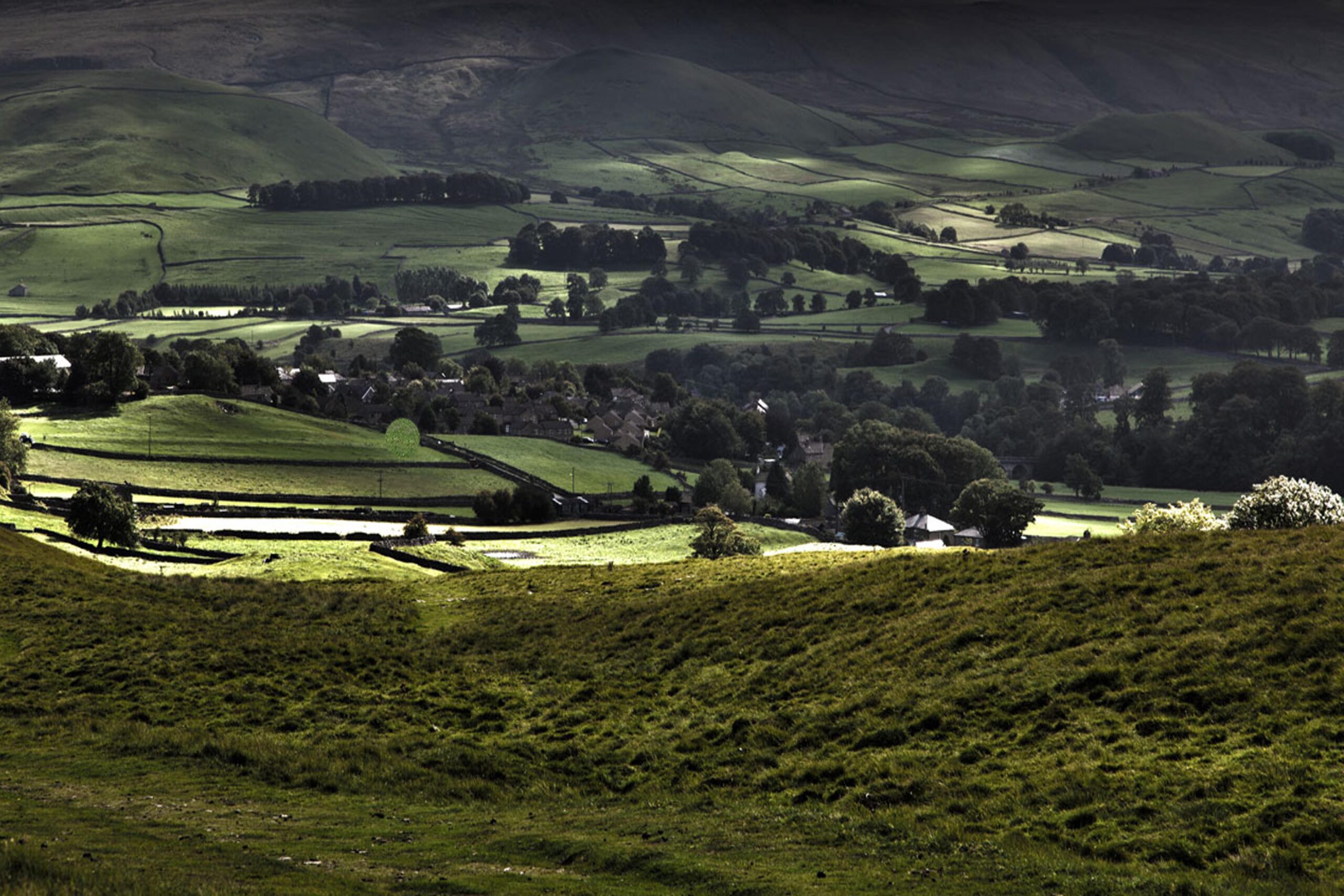
Remote cabins, ranches, recreational land, and off-grid retreats often cover far more territory than traditional residential properties.
A single property may include:
- long driveways
- gated entrances
- detached structures
- equipment yards
- trails
- bridges
- multiple access points spread across acres of land
That distance creates one of the biggest challenges in remote property security: range.
Many monitoring systems designed for suburban homes were never intended to operate across large outdoor environments.
What works well in a house or small backyard may struggle in rural acreage with trees, hills, valleys, and long communication distances.
Remote land requires a different approach.
Early Awareness Begins at the Property Edge
For many property owners, the most important areas to monitor are not necessarily the cabin itself, but the outer portions of the property.
Gates, access roads, and trails often provide the earliest indication that someone has entered the land.
Once activity reaches the cabin or equipment storage area, valuable response time may already be lost.
This is why long-range awareness matters so much.
Most remote properties only have a few practical entry routes.
Vehicles typically enter through:
- gates
- driveways
- bridges
- access roads
Monitoring these areas provides valuable insight into movement occurring across the land before larger problems develop.
Earlier awareness can significantly reduce the likelihood of delayed discovery.
Delayed Discovery Increases Risk
Many remote properties remain unattended for extended periods.
Owners may visit only occasionally, leaving long periods when unauthorized activity can occur unnoticed.
A trespasser who realizes the property is rarely monitored may return repeatedly.
Equipment theft, vandalism, fuel theft, or storm damage may go undiscovered for days or weeks.
The longer the delay, the greater the potential loss.
Detached structures create additional challenges because they are often located far from the primary cabin.
Sheds, workshops, RV storage areas, barns, and equipment buildings may sit hundreds of yards away across difficult terrain.
Maintaining dependable awareness across these distances requires communication systems designed specifically for outdoor environments.
Traditional WiFi Systems Often Struggle Across Large Properties
Traditional WiFi-based systems frequently struggle under these conditions.
Trees, hills, dense vegetation, metal structures, and large open acreage can interfere with wireless signals and create unreliable coverage.
Even when internet service is available at the main cabin, maintaining stable communication across the entire property may still be difficult.
That is why range and reliability are closely connected on rural land.
Environmental conditions also play an important role.
Remote monitoring systems must often endure:
- extreme temperatures
- storms
- dust
- moisture
- wildlife
- seasonal weather changes
Equipment designed for indoor residential use may not perform consistently under these conditions over time.
Reliable Outdoor Monitoring Matters More Than Complexity
Simplicity becomes important as well.
Property owners generally require systems that work dependably without constant troubleshooting or technical adjustments.
Remote properties are rarely ideal for overly complicated technology that requires frequent maintenance visits.
Real-time alerts can dramatically improve awareness across large properties.
Receiving notification when movement occurs near gates, trails, or detached structures allows owners to respond sooner, even when they are miles away.
Ultimately, long-range monitoring is not simply about technology — it is about awareness across areas where visibility and response times are naturally limited.
For remote property owners, reliable awareness across the entire property provides one of the most valuable forms of protection available.