
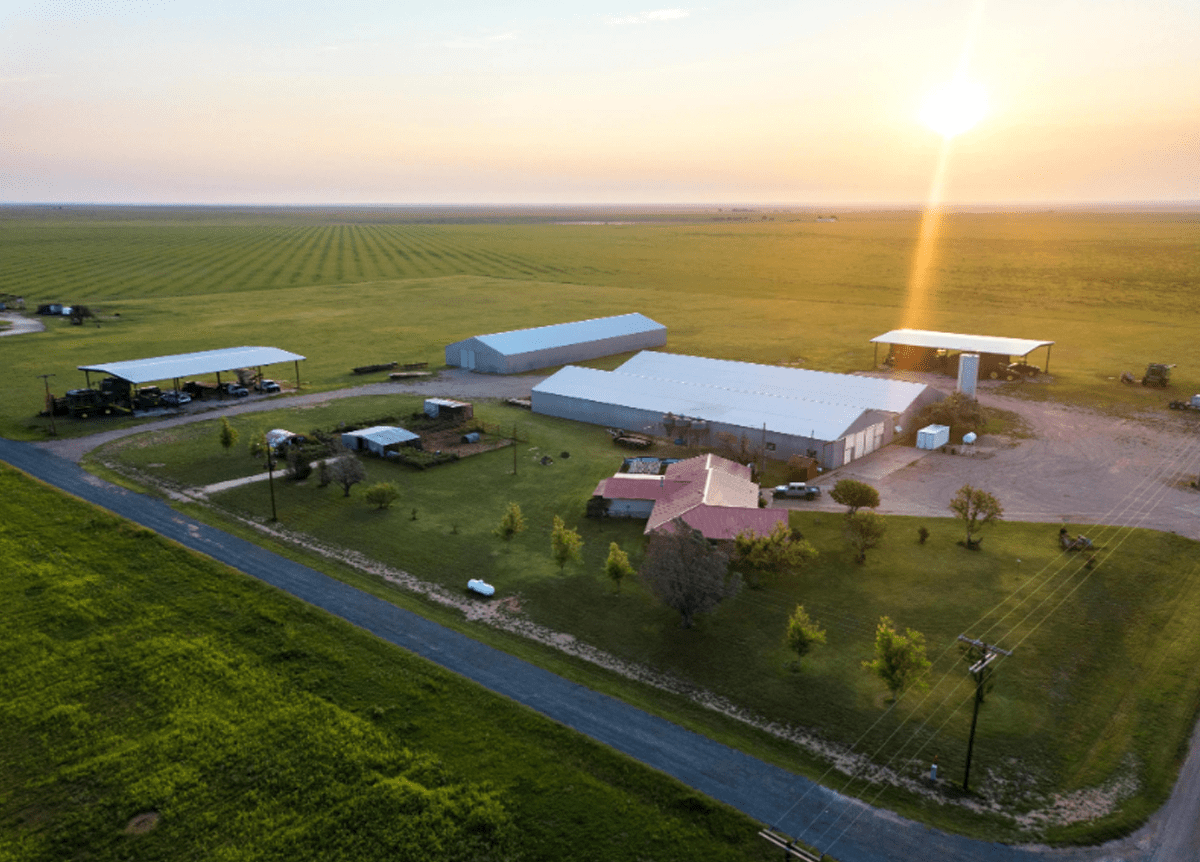
Why Real-Time Alerts Matter on Remote Properties
One of the greatest challenges of owning a remote cabin, ranch, hunting property, or off-grid retreat is simple uncertainty.
When the property sits unattended, owners often have no way of knowing what is happening until they return in person.
By then, a small issue may have already become a costly problem.
That delay is where real-time alerts can make a major difference.
Remote Properties Create Unique Awareness Challenges
Remote properties naturally face limitations that suburban homes usually do not.
There may be:
- no nearby neighbors
- little passing traffic
- limited visibility
- slower emergency response times
Gates, access roads, detached structures, and equipment areas may sit far from the main cabin and completely out of sight.
Because of this, awareness becomes one of the most valuable forms of protection.
Earlier Awareness Changes Everything
Real-time alerts help reduce the gap between when activity occurs and when the property owner becomes aware.
Instead of discovering problems days or weeks later, owners can receive immediate notification when movement is detected near important areas of the property.
That earlier awareness can change everything.
For example, an owner may receive alerts when:
- a gate opens
- a vehicle enters the driveway
- movement occurs near a shed
- activity appears around equipment storage
- a recreational vehicle moves
- someone approaches the cabin after dark
Even if the owner is hundreds of miles away, that information allows a response sooner.
In many situations, earlier awareness helps prevent larger losses.
A trespasser who realizes activity is being noticed may leave quickly. A gate opening can trigger an immediate alert. Storm damage or unexpected activity can be investigated before conditions worsen.
The goal is not simply reacting to emergencies.
It is shortening the time between when activity begins and when the owner becomes aware of it.
That time difference matters on remote land.
Access Points Provide the Earliest Warnings
Access points are often the most valuable locations for alerts.
Gates, trails, bridges, and long driveways naturally funnel movement onto the property.
Monitoring these areas provides an early indication that someone has entered the land before they ever reach buildings or equipment storage areas.
Detached structures deserve attention as well. Workshops, sheds, RV storage areas, fuel tanks, and generator locations often contain valuable equipment that may otherwise sit completely unmonitored during long absences.
Remote Environments Require Reliable Monitoring
Environmental visibility also plays an important role. Overgrown vegetation, dark access routes, and hidden approach areas can create opportunities for unauthorized activity.
Improving sight lines near gates and structures helps make alerts more effective while discouraging unwanted visitors.
Remote terrain creates additional challenges because large acreage, hills, trees, and valleys can interfere with traditional WiFi-based systems.
This is why dependable long-range communication and outdoor reliability are especially important on remote properties.
At the same time, simplicity remains critical. Property owners generally need systems that work consistently without constant troubleshooting or maintenance visits.
Remote environments are rarely ideal places for overly complicated technology.
Awareness Provides Greater Peace of Mind
Ultimately, real-time alerts provide something every remote property owner needs: awareness.
Knowing when activity begins — no matter where the owner is — allows faster response, reduces delayed discovery, and provides greater peace of mind.