
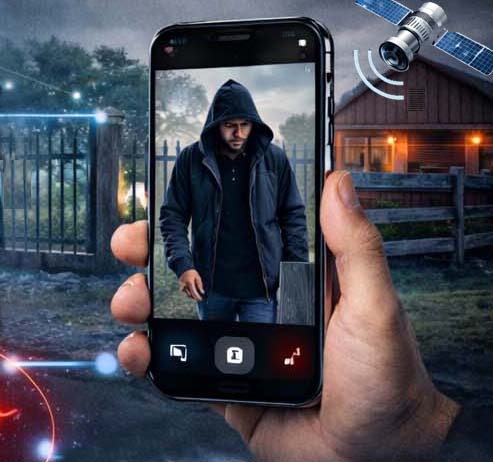
When it comes to protecting property, many people assume that cameras are the best—or only—solution. After all, cameras provide visual evidence and the ability to review what happened.
But when the goal is real-time awareness and prevention, cameras alone often fall short.
Understanding the difference between surveillance (cameras) and awareness (alerts) is key to building a more effective security approach.
What Cameras Do Well
Cameras are valuable tools for documenting activity.
They allow you to:
- Review footage after an event
- Identify people, vehicles, or movement
- Maintain a visual record of activity
For many situations, especially in controlled environments, this can be useful.
But cameras are primarily passive. They observe and record—but don’t always ensure you know something is happening in the moment.
Where Cameras Fall Short
On larger or outdoor properties, cameras introduce several limitations.
They Require Constant Attention
Footage is only useful if someone is actively monitoring it—or reviewing it after the fact.
Limited Coverage Area
Each camera has a fixed field of view. Covering large areas requires multiple units, which can quickly become complex.
Dependence on Lighting and Placement
Performance can vary based on lighting conditions, obstructions, and positioning.
Delayed Awareness
In many cases, you only discover an issue after reviewing footage—not when it happens.
For property protection, this delay can make a significant difference.
What Motion Alerts Do Differently
Motion alert systems are designed to notify you when activity occurs—not just record it.
Instead of capturing everything continuously, they focus on detecting change.
This means:
- You receive alerts when movement is detected
- You can respond in real time
- You don’t need to constantly monitor a screen
The result is a shift from observation to awareness.
Why Alerts Are More Effective for Large Properties
For outdoor environments, especially farms, ranches, or large residential properties, awareness is often more valuable than footage.
Coverage Across Distance
Alert systems can be deployed across wider areas without needing line-of-sight like cameras.
Early Detection at Entry Points
Monitoring gates, driveways, and access routes provides immediate insight into activity.
Reduced Complexity
Fewer devices are needed to cover key zones compared to full visual coverage.
Faster Response Time
Knowing when something starts happening allows you to act sooner.
This makes alert-based systems especially useful where scale and distance are factors.
When Cameras Still Make Sense
Cameras still play an important role—especially when used alongside alert systems.
They are most effective for:
- Identifying individuals or vehicles
- Reviewing incidents after alerts are triggered
- Monitoring specific, high-visibility areas
In this way, cameras become a supporting tool, rather than the primary layer of security.
A Smarter Approach: Awareness First, Visibility Second
Instead of choosing between cameras and alerts, the most effective approach is to prioritize awareness first.
- Use alerts to know when something happens
- Use cameras to see what happened
This layered strategy provides both real-time insight and visual confirmation, without relying entirely on one method.
Final Thoughts: Knowing vs Watching
Cameras help you watch your property.
Alerts help you know what’s happening.
For many property owners—especially those managing larger or remote areas—knowing in real time is far more valuable than reviewing footage later.
The most effective systems are built around awareness first, with visibility as a secondary layer.
👉 Learn more about modern alert-based security approaches for large and remote properties