
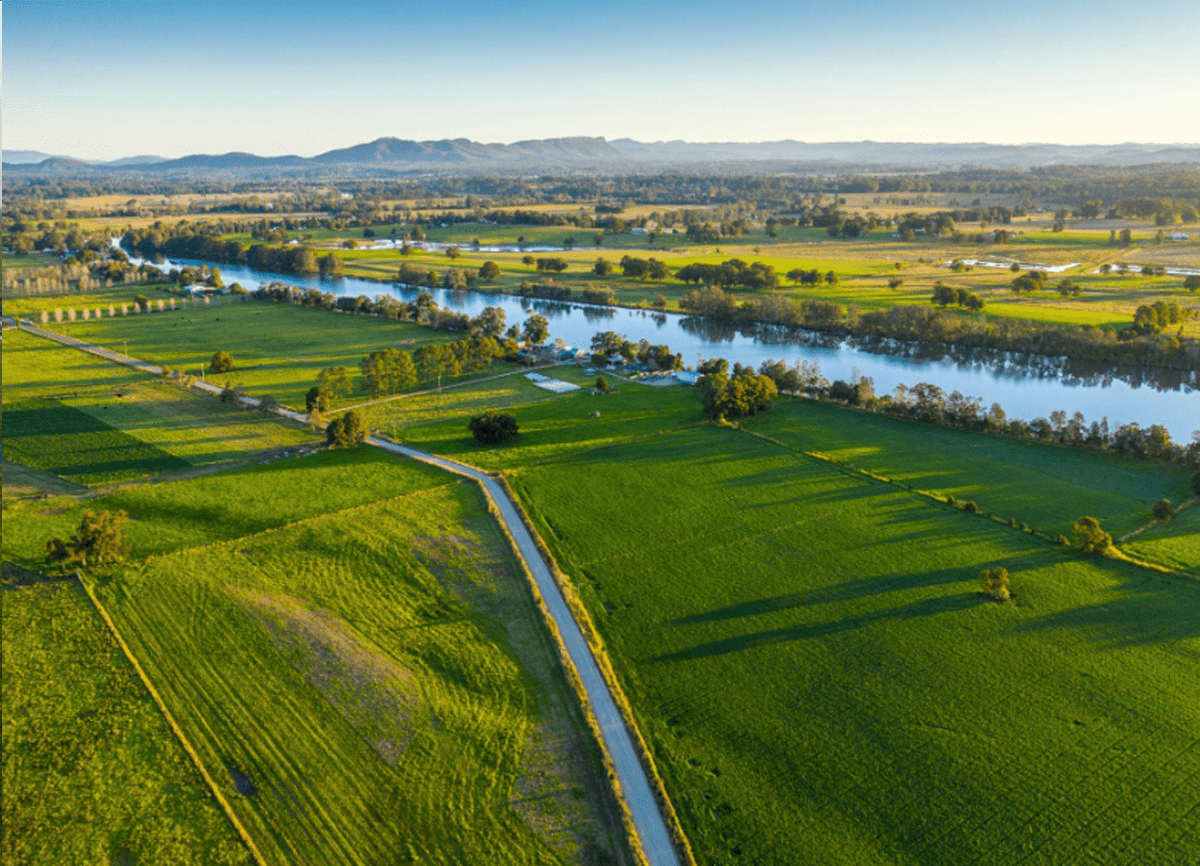
Protecting a large property isn’t the same as securing a house.
Yet most security systems are designed exactly that way—built for small spaces, limited entry points, and short distances.
When those same systems are applied to farms, ranches, acreage homes, or remote properties, they begin to break down. Coverage becomes inconsistent. Alerts are delayed. Blind spots appear.
And when something happens, it’s often too late.
The Problem with Traditional Security Systems
Most traditional systems rely on a simple setup:
- WiFi coverage
- Wired connections
- Sensors placed at doors and windows
This works in a contained indoor environment.
But on a large property, it leaves most of the area unprotected. You may know when someone enters a building—but not when they approach it, move across the land, or access equipment outside.
In reality, you’re not securing the property—you’re securing a few points on it.
Distance Changes Everything
On large properties, distance introduces a new set of challenges:
- You’re not always nearby
- Events don’t happen at a single location
- Response time is naturally longer
That means the timing of an alert becomes critical.
The later you’re notified, the fewer options you have.
Why Most Systems Fail in Real Conditions
Large properties aren’t controlled environments.
They include:
- Open land and varied terrain
- Trees, structures, and elevation changes
- Multiple access paths
- Equipment, vehicles, and outdoor activity
Traditional systems weren’t designed for these conditions. They depend on stable infrastructure and defined boundaries—things large properties rarely have.
As a result, gaps in coverage and delayed awareness become the norm.
What Actually Works for Large Properties
Effective protection requires a different approach.
Instead of focusing only on entry points, a system must provide awareness across the property itself.
That means:
- Detecting activity as it begins—not after entry
- Delivering alerts immediately
- Maintaining reliable communication across distance
- Scaling easily as the property expands
This isn’t about adding more devices.
It’s about gaining earlier, more complete awareness.
Early Alerts Change the Outcome
Consider the difference.
A traditional system detects after intrusion and sends an alert once something has already happened.
An alert-based system detects movement early and notifies you immediately—before the situation escalates.
On a large property, that difference matters.
It gives you time to verify what’s happening, decide how to respond, and act before damage or loss occurs.
Large Property Security Is About Awareness
Most systems are built to react.
Real protection is built around awareness—knowing what’s happening across your property in real time.
That shift changes everything.
Instead of responding after the fact, you’re able to stay ahead of the situation.
Learn the Difference
To understand how alert-based systems compare to traditional alarms, read:
Alert vs Alarm: What Actually Protects Your Property
Final Thought
Large properties don’t struggle because of a lack of security systems.
They struggle because of limited coverage and delayed alerts.
If your system only tells you after something happens, you’re already behind.
Next Step
Explore how alert-based systems are designed for wide-area protection and real-time awareness.
See how it works—and how it can be adapted to your property.