
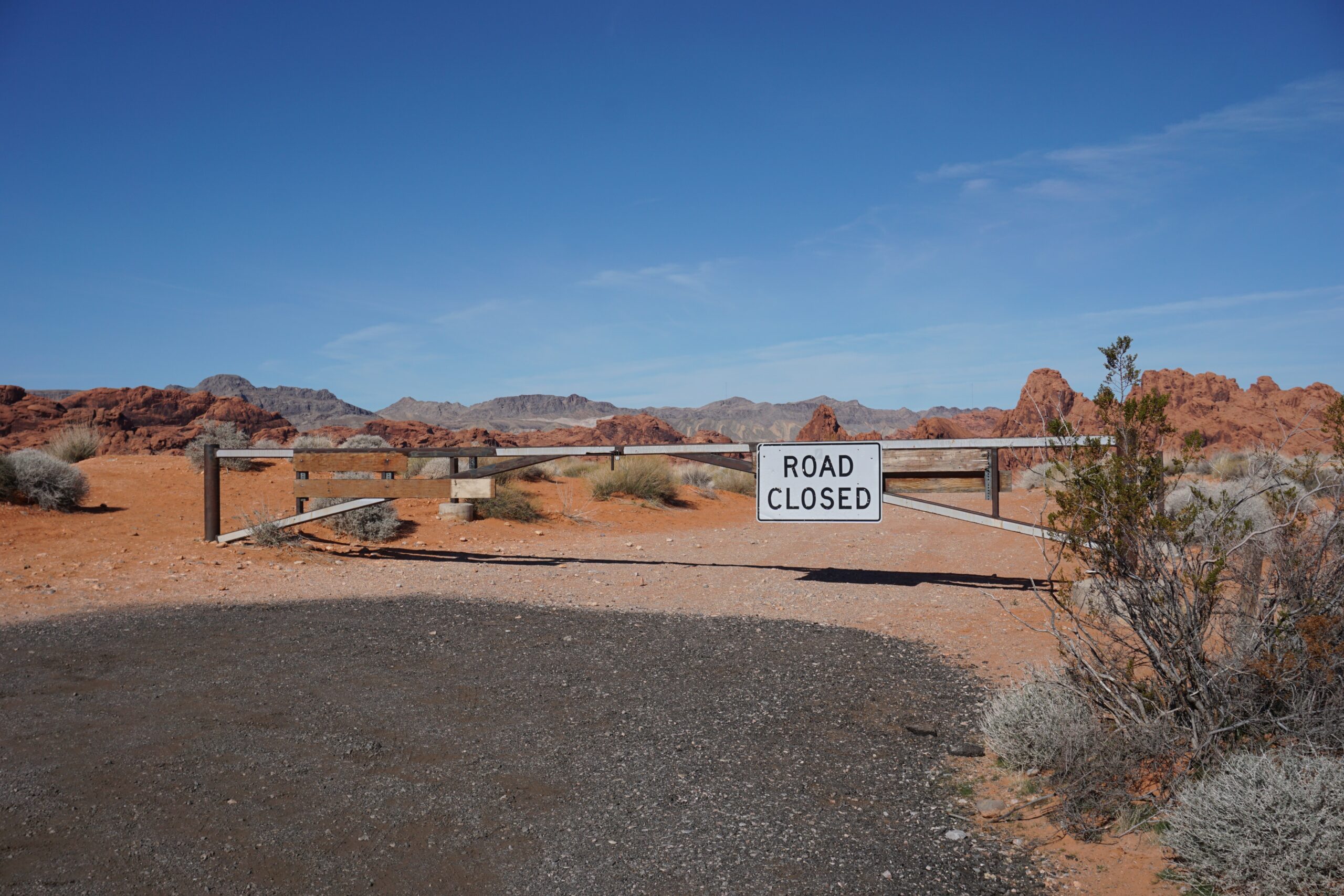
Why Gates Matter Most on Remote Properties
On most remote properties, the gate is more than just an entrance.
It is the first line of awareness.
Whether protecting a ranch, hunting property, recreational acreage, off-grid retreat, or remote cabin, gates often provide the earliest indication that someone has entered the land.
Long before a visitor reaches the cabin, workshop, or equipment storage area, they usually pass through a gate, driveway, trail entrance, or access road.
That makes these locations some of the most important areas on the property to monitor.
Remote Properties Create Unique Security Challenges
Remote landowners face challenges very different from suburban homeowners.
Large acreage, limited visibility, wooded terrain, and long periods without onsite supervision create natural vulnerability.
In many cases, property owners may not visit for days or weeks.
During those absences, delayed discovery becomes a major concern.
An open gate may go unnoticed for days. Unauthorized visitors may repeatedly enter the property. Equipment theft, vandalism, illegal dumping, or trespassing may continue long before the owner becomes aware of the activity.
The longer the delay, the greater the potential damage.
This is why gate awareness matters so much on rural property.
Gates Provide the Earliest Warning Signs
Most remote properties have only a handful of practical entry routes.
Vehicles typically enter through:
- gates
- bridges
- long driveways
- access roads
before moving deeper into the land.
Monitoring these locations allows owners to identify activity much earlier than if they focused only on the structures themselves.
In many situations, earlier awareness provides valuable time to respond.
Gate activity is not always negative, of course.
Property owners may also want to know when:
- contractors arrive
- guests enter the property
- deliveries occur
- caretakers access the land
- livestock gates are opened unexpectedly
Even routine awareness becomes extremely valuable when properties are isolated and rarely occupied.
Visibility and Communication Range Matter
Environmental visibility around gates also deserves attention.
Overgrown brush, hidden approach routes, and poor lighting create opportunities for unwanted activity while reducing visibility for owners and monitoring systems alike.
Improving sight lines near entrances can help discourage trespassing while making monitoring more effective overall.
Remote terrain also creates additional communication challenges.
Gates may sit hundreds of yards — or even miles — from the main cabin.
Trees, hills, valleys, and large acreage can interfere with traditional WiFi-based systems designed primarily for suburban homes.
That is why reliable long-range communication is especially important on rural property.
Reliable Awareness Provides Better Protection
At the same time, simplicity matters.
Remote properties are not ideal environments for systems that require constant troubleshooting or complex maintenance.
Durable, weather-resistant solutions designed for outdoor conditions generally perform far better over time.
Real-time alerts near gates can significantly reduce delayed discovery.
Receiving notification when a gate opens or movement occurs near the entrance allows owners to become aware of activity much sooner, no matter where they are.
Ultimately, gates provide more than physical access to rural land.
They provide awareness.
And for remote property owners, awareness is often the first and most important step toward protecting everything beyond the gate.