
Many property owners assume a standard home security system will work just as well on a remote cabin, ranch, or off-grid retreat as it does in a suburban neighborhood.
Unfortunately, that is often not the case.
Remote properties create challenges that traditional WiFi-based residential systems were never designed to handle.
Long distances, difficult terrain, limited internet availability, and outdoor environmental conditions can quickly expose the limitations of systems built primarily for homes in compact neighborhoods.
What works well in a subdivision may struggle badly across rural acreage.
Communication Distance Creates Major Challenges
One of the biggest problems is communication distance.
Residential WiFi systems are typically designed to cover relatively small areas inside or immediately around a house.
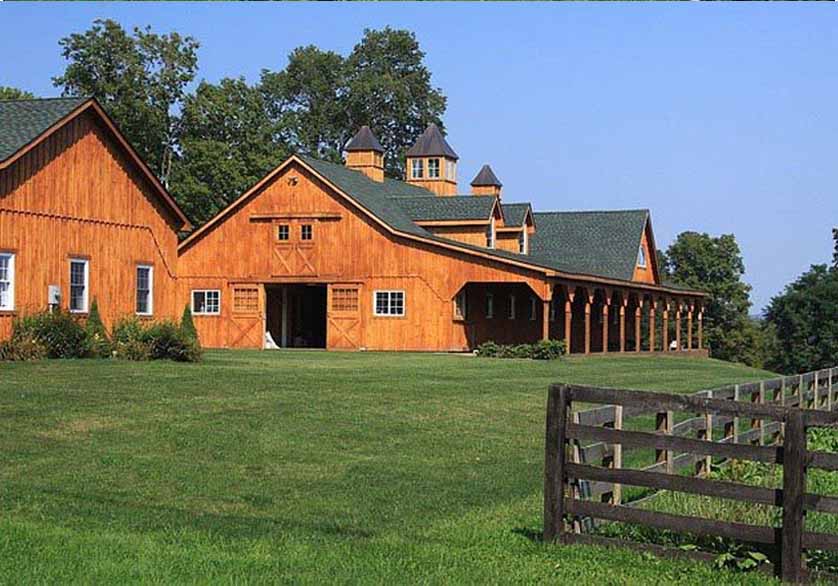
Remote properties, however, may include:
- long driveways
- detached structures
- gates
- bridges
- barns
- equipment yards
- access roads located far from the main building
Maintaining reliable communication across that type of terrain becomes much more difficult.
Trees, hills, valleys, metal buildings, and dense vegetation can further interfere with wireless signals.
Even when internet service is available at the cabin, maintaining dependable connectivity across the rest of the property may still be a challenge.
Off-Grid Properties Face Additional Obstacles
Many remote cabins and recreational properties operate in areas with little or no reliable broadband service.
Some owners rely entirely on:
- cellular connections
- satellite internet
- generator-powered systems
In these environments, security systems that rely heavily on constant WiFi connectivity may experience interruptions, delays, or reduced reliability.
And reliability matters.
Remote properties are often unattended for long periods, which means owners may not discover communication failures until they physically return to the site.
A disconnected sensor, failed router, or dropped internet connection may leave large portions of the property effectively unmonitored without the owner realizing it.
That creates significant vulnerability.
Outdoor Environments Are Harder on Equipment
Environmental conditions add another layer of difficulty.
Remote systems must frequently endure:
- extreme temperatures
- dust
- moisture
- storms
- wildlife
- seasonal weather changes
Equipment designed primarily for indoor residential use may not perform consistently in harsh outdoor environments.
Another challenge is power reliability. Off-grid and rural properties may experience outages, generator transitions, or unstable utility service that can affect traditional monitoring systems.
Systems requiring frequent resets or maintenance visits become especially frustrating on properties located hours away.
Remote Monitoring Requires a Different Approach
This is why remote monitoring requires a different mindset.
Rather than relying solely on indoor WiFi coverage, remote properties often benefit from approaches specifically designed for:
- long-range communication
- outdoor reliability
- distributed monitoring
- simplified maintenance
Awareness across the property becomes far more important than simply protecting the cabin’s interior.
Access points such as gates, driveways, trails, and equipment areas often provide the earliest indication of activity on the land.
Monitoring these locations can help owners identify problems sooner, even when they are miles away.
Simplicity also matters more than many people realize. Remote property owners generally need dependable systems that can operate consistently without constant troubleshooting, software adjustments, or complicated networking requirements.
In remote environments, reliability almost always outperforms unnecessary complexity.
Rural Properties Require Rural Solutions
Ultimately, protecting remote property requires understanding that rural land creates very different conditions than suburban homes.
Systems designed specifically for large outdoor environments tend to provide better long-term awareness, dependability, and peace of mind.